The world of automotive repair can be as complex as the vehicles themselves. Among the myriad of services offered, transmission repair stands out for its intricacy and importance. For a local garage specializing in transmission work, the daily operations are a blend of technical expertise, customer interaction, and meticulous attention to detail. This article delves into the inner workings of such an establishment, shedding light on what it takes to succeed in this niche market.
The Heart of Transmission Repair
At the core of any successful transmission shop is a team of skilled professionals. These specialists are not just mechanics; they are diagnosticians, engineers, and problem solvers rolled into one. Each day begins with a thorough review of incoming vehicles, which may range from automatic to manual transmissions.
A typical morning might start with a huddle among the staff to discuss appointments and any urgent repairs. This team-oriented approach fosters communication, ensuring that challenges are addressed collaboratively. For instance, if a customer arrives complaining about delayed gear engagement or unusual grinding noises during shifting, technicians must quickly assess the situation to determine whether it's a simple fix or a more extensive repair.
Understanding Customer Needs
Customer service in auto repair is paramount. Many clients feel anxious when faced with car troubles, especially when it involves crucial components like the transmission. A successful garage prioritizes clear communication from the moment customers step through the door.
Service advisors often greet customers warmly and take time to listen to their concerns without interruption. This initial consultation sets the tone for what follows — whether it’s a routine transmission fluid change or more complicated issues such as torque converter repair or clutch replacement. By making customers feel heard and valued, garages build lasting relationships, fostering trust that encourages repeat business.
Diagnostics: The First Step Toward Repair
Once a vehicle is checked in, diagnostics become essential in determining what repairs are necessary. Technicians employ various tools and software to run comprehensive checks on each vehicle's transmission system. Proper diagnostics involve checking fluid levels, inspecting for https://joshhawkinsautomotive.com/services leaks, and identifying error codes through onboard diagnostic systems.
For example, if a car presents with symptoms like slipping gears or overheating transmissions, technicians use diagnostic equipment to pinpoint exact problems—whether it's due to low fluid levels or faulty solenoids needing replacement. Once diagnostics are complete, technicians prepare detailed reports outlining necessary repairs alongside estimated costs and timelines.
Transparency in Pricing
After diagnostics come discussions about pricing—a critical aspect that can make or break customer trust. Clients appreciate transparency regarding costs associated with repairs and parts replacements.
A reputable garage will provide itemized estimates before proceeding with any work—be it for transmission rebuilds or filter replacements—allowing customers to understand exactly what they’re paying for and why certain repairs may be more expensive than others. Offering financing options can also help alleviate concerns about costs while ensuring that customers receive necessary repairs without undue financial stress.
The Repair Process: Where Precision Meets Expertise
Once authorization is received from the customer regarding proposed repairs, technicians dive into action. Depending on the issue at hand—such as replacing worn components or conducting full transmission rebuilds—the process can vary significantly in complexity.
For instance:
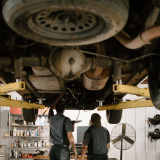
- Transmission Fluid Change: This straightforward service typically involves draining old fluid and replacing it with fresh fluid suitable for specific vehicle models. Transmission Rebuild: A more involved procedure requires dismantling the entire unit to replace defective parts while ensuring that everything meets factory specifications.
Throughout this process, technicians rely heavily on their expertise combined with manufacturer guidelines to ensure quality workmanship.
Quality Control Checks
In successful garages, quality control checks form an integral part of operations before returning vehicles to customers. After completing repairs like clutch replacements or CVT transmission repairs, technicians meticulously inspect their work through rigorous testing protocols.
Vehicles undergo road tests to confirm that all issues have been resolved effectively—this includes assessing shifting performance under various conditions (e.g., cold starts versus warm drives). Such diligence minimizes chances of future issues arising soon after service completion.
Building Relationships Through Follow-Up
Even after leaving the shop, effective communication continues through follow-up practices designed to ensure satisfaction post-repair experience. Many shops send automated messages thanking clients for their business while inviting feedback on their services.
This proactive approach not only highlights commitment but also provides valuable insights into areas needing improvement—whether it's refining service speed during peak hours or enhancing aspects of customer care.
Loyalty Programs and Promotions
To further solidify relationships with clients over time—and encourage return visits—many successful garages implement loyalty programs offering discounts on future services after reaching certain thresholds (like multiple oil changes). Seasonal promotions targeting common maintenance needs also attract new clients looking for affordable options—especially around holidays when families plan road trips.
Challenges Faced by Transmission Shops
Operating a garage specializing in transmissions presents unique challenges that require adaptability and resilience from owners and staff alike.
- Technological Advances: As vehicles evolve technologically—with hybrid engines becoming popular—garages must invest in training staff regularly so they remain adept at handling modern systems. Supply Chain Issues: Obtaining parts timely can pose difficulties too; delays in receiving critical components could lead to frustrated customers waiting longer than expected for repairs. Competition: With numerous auto shops vying for business locally—including those focused on general auto repair—it becomes vital for specialized shops to highlight their unique offerings through marketing efforts tailored toward showcasing expertise specifically in transmission matters.
Conclusion
The daily operations of a local garage specializing in transmissions demand more than just mechanical skills—they require building meaningful relationships based on trust while navigating industry challenges head-on through diligent teamwork and communication strategies.
By focusing on quality service coupled with transparent pricing structures alongside effective follow-ups post-repair experiences—not only do these shops thrive within competitive markets but also create lasting impressions among loyal clientele who appreciate expert care tailored toward their automotive needs over time!